
What strategies do you use to maintain your health and well-being?

At 57, I’ve learned the importance of paying attention—not just to my surroundings, but to my body’s quiet messages. It’s a daily practice of mindfulness, noticing the subtle shifts that tell me when I’ve had too much pop, when a dinner was a little too heavy, or when my legs feel like they need more care and attention. This isn’t about restriction—it’s about restoration.

I’m a foodie. I love hamburgers. Today, I indulged in a Whopper, Pringles, and M&M’s. Not only was it delicious, but it reminded me how good it feels to satisfy a craving. Here’s the kicker—I haven’t had a Whopper at all this year. So today wasn’t about guilt. It was about joy.

But tomorrow? Tomorrow begins a reset. Back to salads, water, and sandwiches. Because I also stepped on the scale yesterday and saw that I’ve lost 7 pounds. That’s no small thing—and it came from tuning in, being aware, and making gentle adjustments. It’s amazing what we learn when we really listen to our bodies and give them what they need.

My strategy for health and well-being is simple: I pay attention. And that awareness gives me power—not just over what I eat, but over how I move, how I rest, and how I thrive.

“Forgiving Men, Forgetting Friends”

There’s something that’s been sitting heavy on my heart—and I know I’m not the only one who sees it. Women will stand by a man who spits in their face, cheats, lies, steals, take and tear up their car, curse their family and friends out, take their money and spend it on other women, eat their kid’s food up in the fridge, cook your steaks, drink your drinks and breaks their spirit over and over again. Yet when a sister-friend makes a forgivable mistake? Silence. Distance. Cut-off.

Where does that grace go when it’s time to love one another?

We talk about loyalty as if it’s exclusive to romantic relationships. But if loyalty means endurance and forgiveness, why do so many women lose patience with their closest friends over a single misstep, while still holding space for partners who consistently cause harm? It’s time we flipped this script. If we can forgive betrayal in romantic love, we can forgive the slip-ups in platonic love, too. Because women need each other. We deserve healing in our sisterhoods, not just in our relationships with men.

So, I ask—who have you been silent toward that maybe deserves a conversation instead of a cutoff?

📍 I’ve seen it happen in my own life. I’ve witnessed beautiful friendships dissolve over things that could have been healed with a conversation. Meanwhile, these same women return to relationships that scar them emotionally and physically—again and again.

The truth? Friendships are foundational. They’re often the ones who hold us up when love breaks us down. So why do we treat them as disposable?

🤲 Real grace looks like:

  • Pausing before you cut someone off.
  • Remembering the years, not just the moment.
  • Giving the same forgiveness you want for yourself.

If we can forgive betrayal in romantic love, we can forgive the slip-ups in platonic love, too. Because women need each other. We deserve healing in our sisterhoods—not just survival in our relationships with men.

Tyler Perry fired his AUNT?

It’s frustrating when some celebrities open up about personal family issues—how relatives ask for money or expose them publicly—but then stay silent when it comes to similar struggles with other celebrities. That selective transparency can feel unfair, even performative.

Here’s the thing: family stories often come with an emotional punch that draws attention. But choosing not to speak about equally messy stories involving well-known peers creates a double standard. It paints their relatives as opportunistic while shielding others with fame from the same scrutiny. And when they give or loan money to famous friends with no shame, yet call out their own kin—it sends a mixed message. Almost like… you’re allowed to ask for help if you’re rich and famous, but if you’re family, you’re a burden.

💬 Why it hits hard:

It makes their generosity look performative: noble when helping famous friends, but judgmental when helping family.

Families are usually the ones who were around before the fame, trying to hold onto a real connection.

Celebrities airing private struggles publicly—without naming equally messy celebrity situations—can feel like emotional branding, not real vulnerability.

Why Family Stories Get the Spotlight

  • Power Dynamics: Celebrities usually have more control over the narrative when speaking about relatives who aren’t famous. There’s no publicist, fanbase, or industry clout defending the family member’s side—so the celeb’s version goes unchallenged.
  • Sympathy Plays: Talking about family drama can make a celebrity seem relatable or even heroic—“look what I overcame.” It stirs empathy without risking Hollywood relationships.
  • Image Protection: Exposing a fellow celebrity’s messy moment could strain future work or social circles. It’s safer to keep those skeletons in the walk-in closet.
  • Media Framing: Interviews, documentaries, and memoirs often focus on “origin stories,” and unfortunately, family strife sells better than industry conflict.

😶 Why It Feels Hypocritical

That imbalance makes the family member look greedy, while the industry peer gets grace, privacy, and protection.

They’ll publicly call out a cousin for asking for $5,000 but stay silent when a celebrity friend borrows $500K and vanishes until their next comeback.

Don’t get this VIRGO STARTED!! Dont talk about your family on social media. If they share what they know about you, yall will be getting Cease-and-Desist Letters.

A celebrity friend of Tyler Perry, used his Black Card to purchase a Rolex watch during a trip in Italy. When asked about her purchases, she humorously mentioned needing undergarments, but she ultimately went to the Rolex store.

What are your future travel plans?

For ten days, I won’t belong to a schedule, a to-do list, or anyone else’s expectations. I’ll be aboard a cruise ship, surrounded by ocean and possibility, choosing peace one sunrise at a time.

This isn’t just a vacation—it’s a reclamation. A solo journey to tune into me. To wake when I want. To sleep without apology. To sip on something smooth in the entertainment lounge, laughing with strangers or simply taking in the hum of life around me.

I’ll call my family and friends when I feel moved to share a moment. But mostly, I’ll be discovering the joy of my own company. If I want to step off the ship and explore the warmth and flavors of island life, I’ll do it. If I want to wrap up in cozy sheets and drift off to the sound of the waves—yes, that’s on the agenda too.

This trip is about honoring what I crave: silence when I want it, community when I choose it, and indulgence without compromise. Just once, I want to experience the freedom of doing absolutely everything—or absolutely nothing—on my own terms.

And that’s exactly what I’m going to do.

Nurturing Gifts from a Young Age: Raising Purpose-Driven Children

One of the most important roles we have as parents is to pay attention. Not just to behavior or milestones—but to what genuinely lights up our children’s spirits. I believe that by watching our kids closely in their early years, we begin to uncover the natural gifts God placed inside of them. These moments of curiosity and passion aren’t random—they’re sacred breadcrumbs leading us to their purpose.

If we take the time to notice what they love—whether it’s drawing, storytelling, building things, helping others, or showing compassion—we can begin to nurture those interests with intention. Why wait until they’re adults to start asking “What do you want to do?” why can’t we guide them now toward creating a life rooted in meaning?

When a child loves creating or organizing, we don’t dismiss it—we celebrate it. Because those passions, when watered by a parent’s belief and God’s timing, can blossom into ministries, businesses, or movements that impact generations.

What does your children love to do? Share.

What do you listen to while you work?

When I’m deep into my work at home—whether I’m crafting candles, writing, or just keeping life in motion—music and mindful videos play a big part in setting the tone. If I’m in a music mood, Gospel is my go-to. There’s something powerful and grounding about melodies that speak to the soul. It lifts me up without pulling me away, allowing my spirit to stay engaged and my hands to keep moving.

But most days, it’s YouTube that becomes my background companion. I gravitate toward creators who share their candle-making journeys, those who speak with spiritual intention, and voices that soothe me rather than distract me. I’ve learned that it’s all about finding content that doesn’t demand my eyes—because once I start looking up at the screen, I lose my flow.

Listening without watching has become a skill. It allows me to stay rooted in my tasks while still filling my space with inspiration. There’s a special kind of harmony in hearing someone speak from the heart while your own hands are busy with purpose. That’s how I stay connected. That’s how I stay focused.

What’s your go-to comfort food?

When the day weighs heavy or the night stretches long, I turn to a ritual that never fails me—ice cream.

Chocolate and strawberry. Haagen Daz. Paired with peanuts and fresh bananas. It’s not just dessert—it’s therapy in a bowl. A small act of self-care that says, “I deserve softness.” And when I’m scooping that last bite? It’s not just about taste. It’s about reclaiming joy. So yes, my go-to comfort food is ice cream. And when I eat it, you truly can’t tell me a thing.

What’s your favorite game (card, board, video, etc.)? Why?

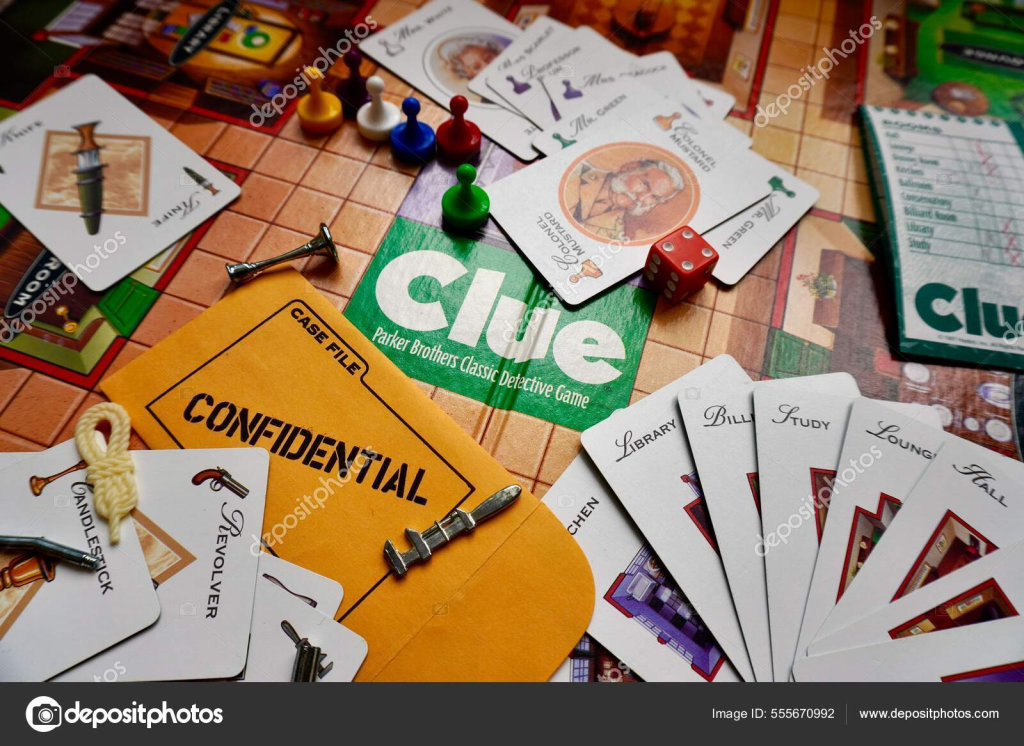
One of my favorite board games of all time is Clue. I played it for the first time with my family, and it was hands down the most fun and interesting game I’ve ever experienced. The thrill of collecting clues to figure out who killed who, in what room, with which weapon—it was like stepping into a mystery novel come to life.

Even as a kid, I had an eye for solving things. Whether I was watching TV or trying to piece together what was happening in a movie, I was always drawn to uncovering secrets and hidden motives. Playing Clue was like unlocking that same curiosity in real time. Every dice roll, every accusation, every card drawn lit up that detective side of me.

It wasn’t just about the game—it was the joy of sharing laughs, strategy, and “a-ha!” moments with my family. That first time playing Clue wasn’t just entertainment; it reminded me how much I love figuring out the story behind the story. And honestly? That little girl with big questions and a sharp mind is still a part of me today.

Design a site like this with WordPress.com
Get started